Case Study
Camp TRT
1. The System Before
60 Hours of Footage.
Zero Story.
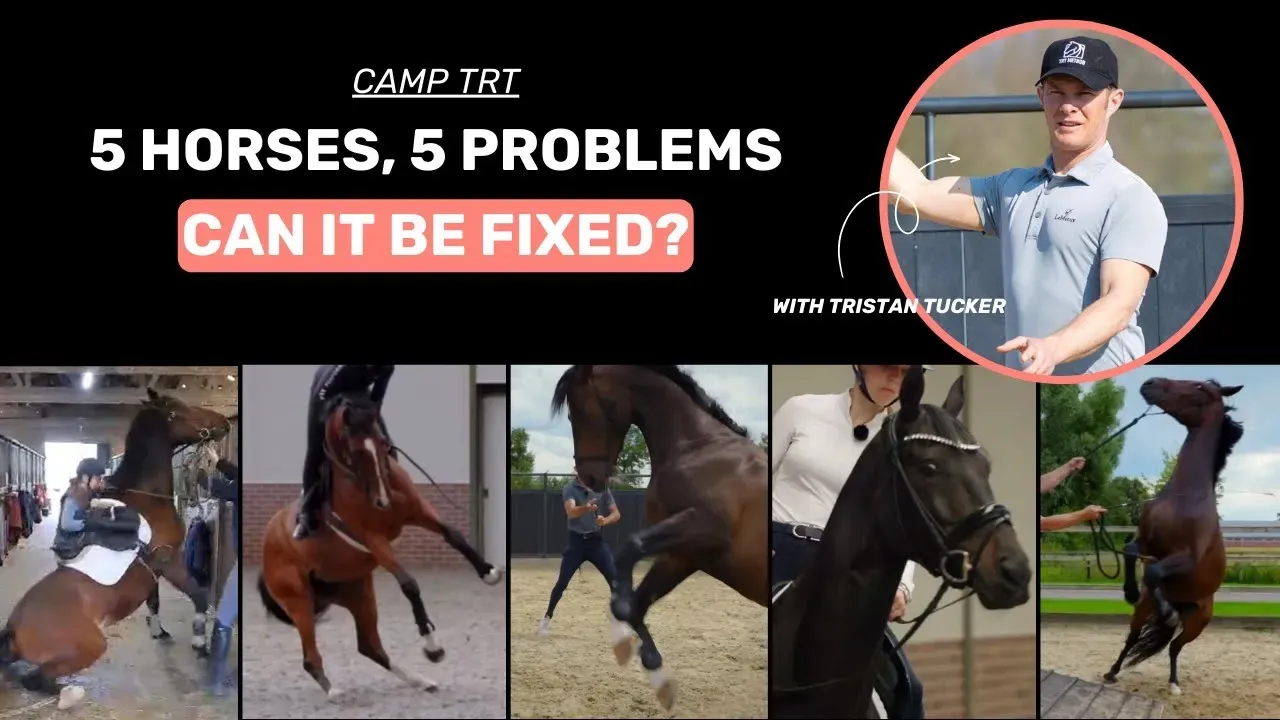
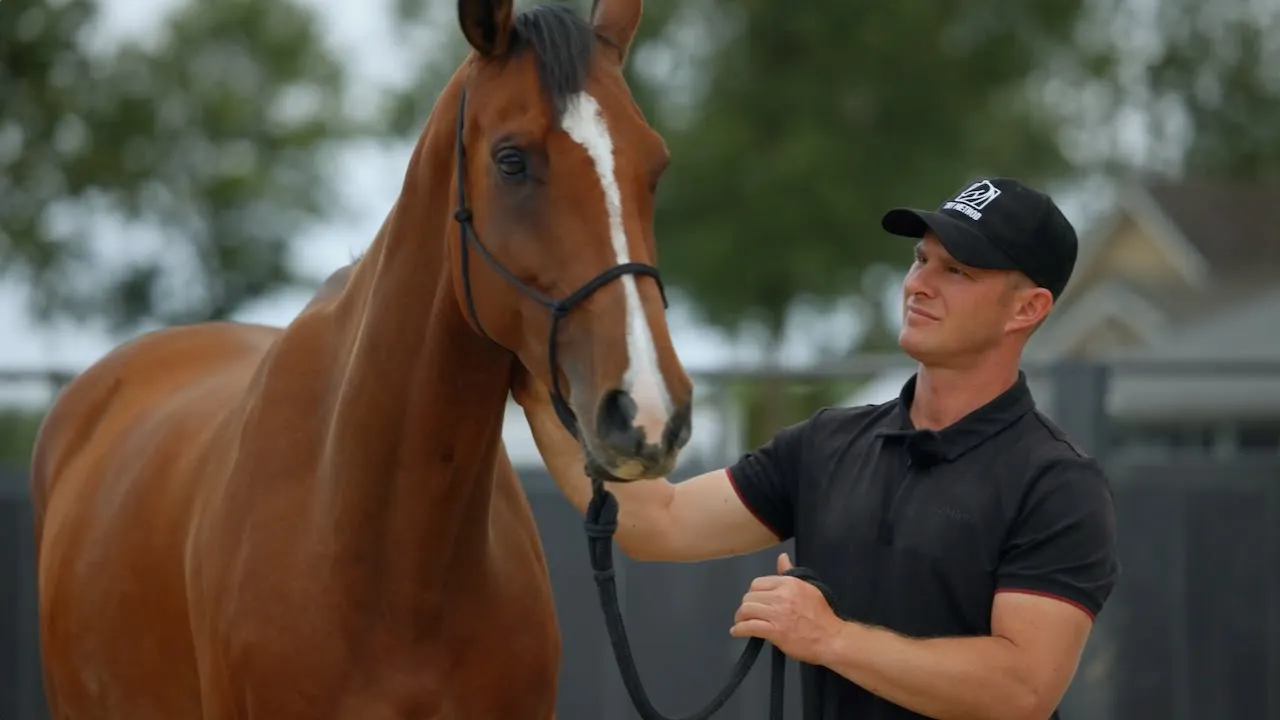
They had done the impossible. TRT Method, a world-renowned online horse training platform, had brought together riders from across the globe for a five-day intensive camp. They captured everything with a three-camera crew, generating a mountain of assets. But they were lost. They had footage, but no narrative. They had moments, but no movement. The system was designed to capture content, not to create a story. As the founder, Tristan Tucker, put it when he first saw the scale of the challenge:
"60 hours. Bloody hell. How are we going to make anything of this?"
2. The False Belief
They Were Looking For an Editor. Or So They Thought.
The initial assumption was that this was a tactical problem. An editing problem. The team was world-class at creating short-form training videos, and they believed this was simply a longer version of the same process.
"We were so practiced at making training videos... it's always in the moment. You've got that short amount of time you have to deliver right away."
But a story isn't built in an edit suite. It's architected. When I was brought in, it became clear that hitting "record" was the easy part. The real work hadn't even begun. I had to hit the brakes.
3. The Ecstatic Truth
The Story Wasn't 'Training.'
It Was 'Empowerment.'
The problem wasn't in the footage; it was in the frame. The search for the story began not with watching clips, but with asking questions. We had to deconstruct the "what" to find the "why behind the why."
Slowly, the bedrock truth emerged. This wasn't a series about horse training techniques. It was a manifesto about a revolutionary philosophy: empowering the horse to be its own master. It was about transforming a relationship. As Tristan described the moment of discovery:
"From the beginning, when you started to ask the questions, I knew I was giving the things that I'd thought about, but some of the things I'd never said out loud. And you were drawing them out."
4. The Intervention
From Chaos to Clarity:
The Blueprint.
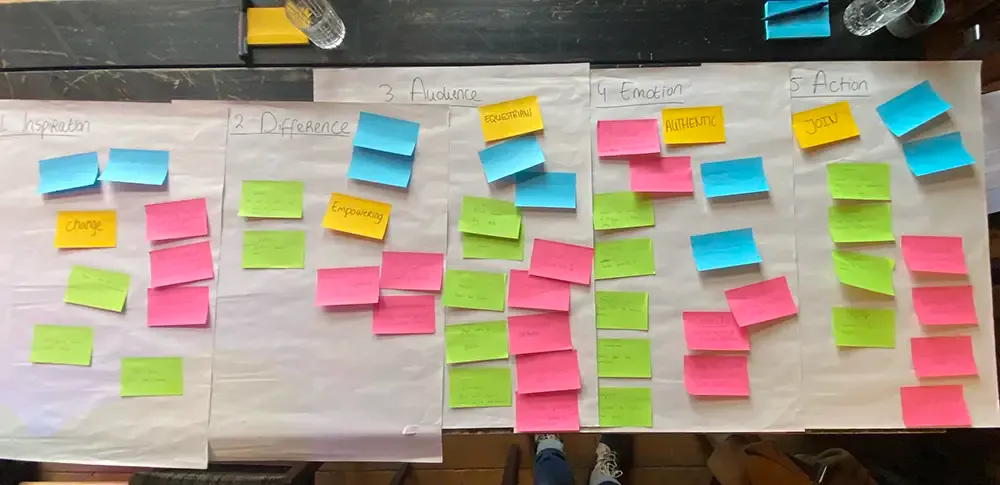
Once we uncovered the Ecstatic Truth, the path forward became an architectural process, not a creative gamble. We built a blueprint before we touched a single frame.
We defined the core Keywords. We developed Character Briefs for each rider. We built Storyboards that mapped the emotional journey. We turned a mountain of chaotic footage into a structured, intentional narrative system. The client didn't just feel relieved; they felt empowered.
"The key words thing was brilliant. I felt secure from there. Like, ah, there's actually a formula for this... it gave real clarity on how long the episode should be, how many episodes should there be... all these difficult questions were sort of resolved along the way by themselves."
5. The System After
A Story That Lives Longer Than Yourself.
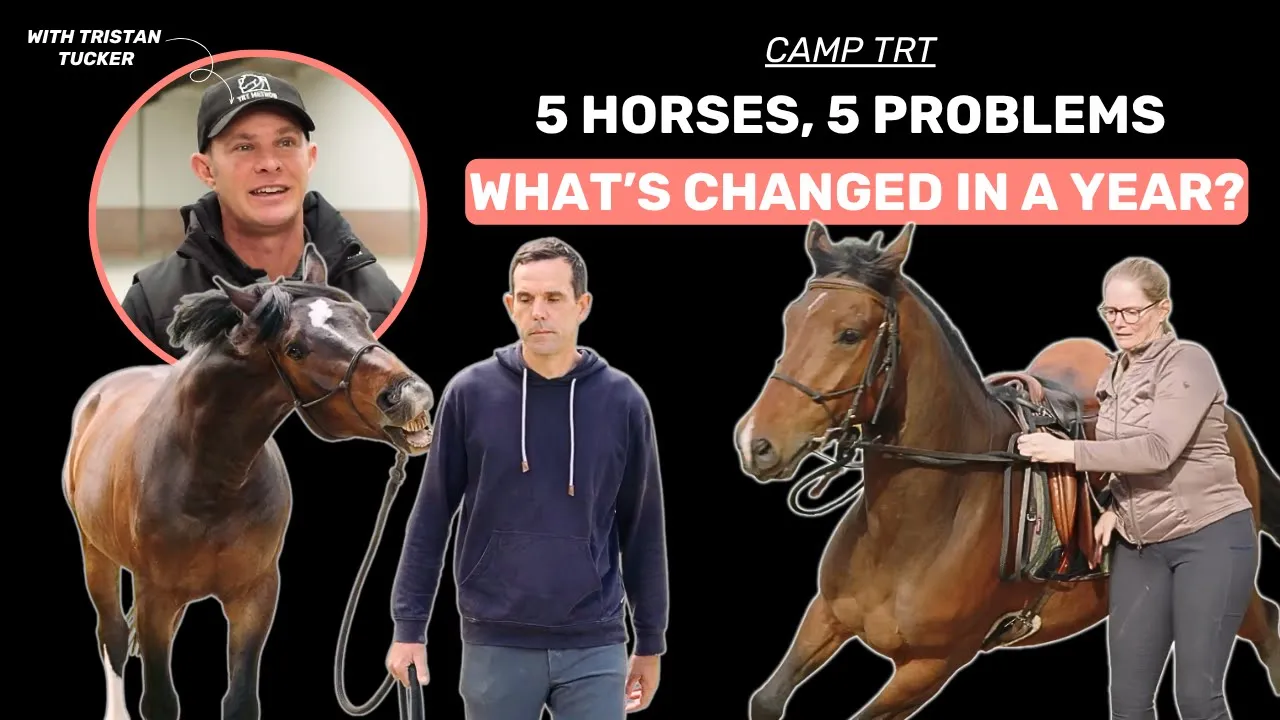
The result was a six-part, 45-minute series that did more than just get views—it resonated. The existing following gobbled it up, but the impact went further. The series' deep human element attracted a broad new audience outside the equestrian world, making it a powerful asset in the global conversation about animal welfare. The ultimate proof, however, was in the data: the YouTube comments directly mirrored the strategic keywords we had defined in our blueprint. The audience wasn't just watching; they were internalizing and repeating the intended narrative, verbatim. The final asset was not just a piece of content. It was a legacy. In Tristan's words:
"You feel like you've taken time to make it. And all of that effort and energy somehow goes into the end product, which will also carry on. It can live longer than you yourself."