Case Study
Committed to Freedom
1. The System Before
Their Mission Was Rehabilitation. Their Story Was a Cage.
The Dutch forensic psychiatric system is one of the most effective in the world, proven to reduce recidivism by over 90%. But its story was not one of success. It was a story of fear.
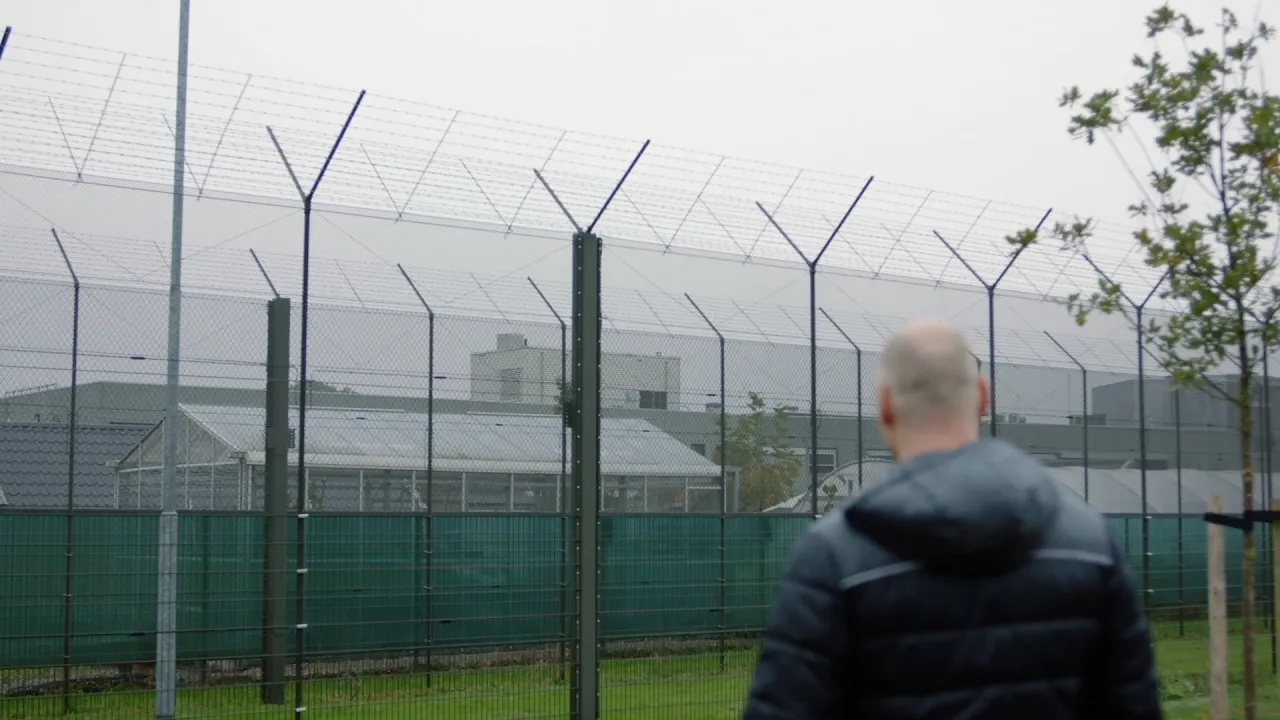
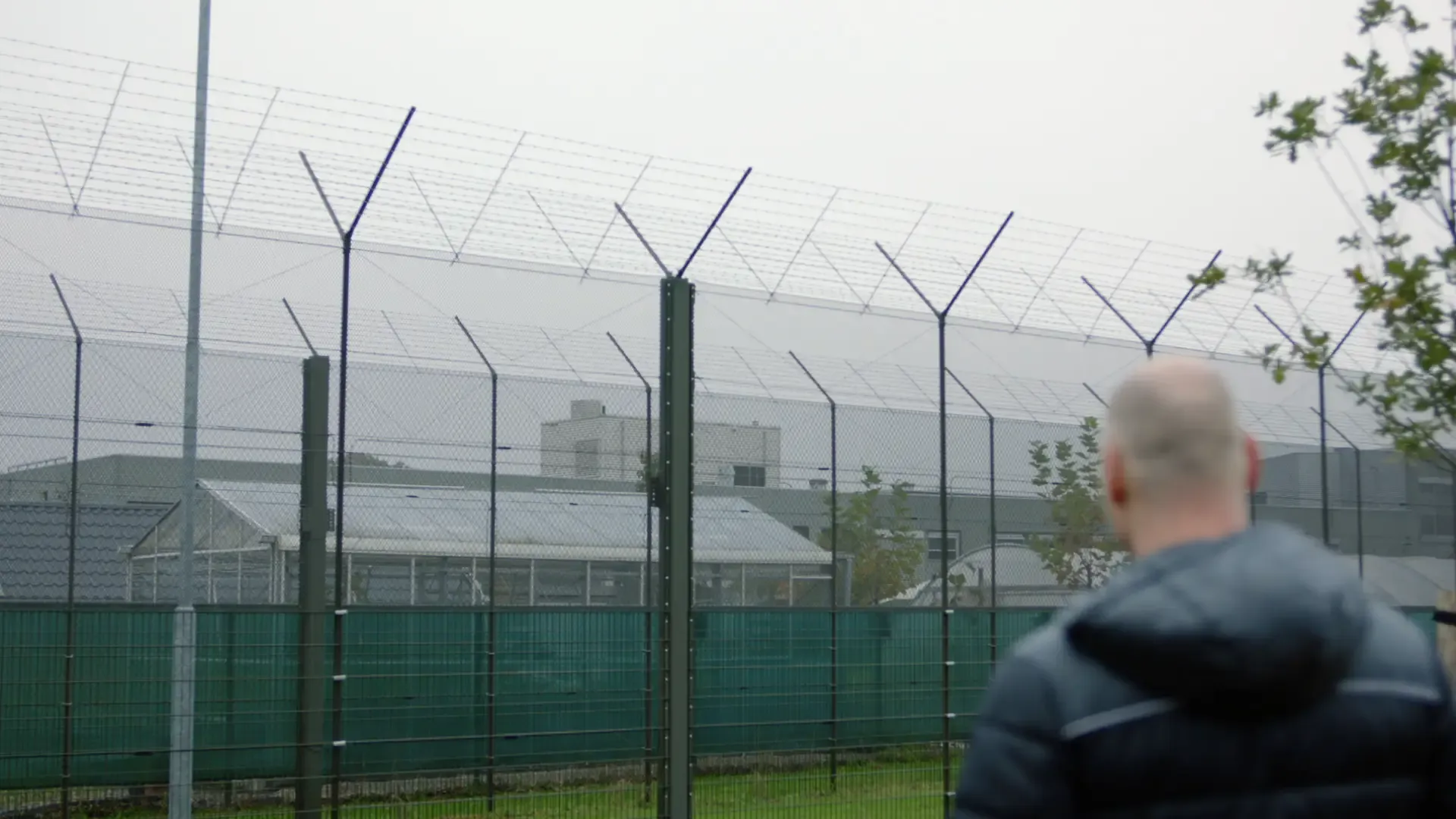
Fueled by rare but catastrophic failures, the public narrative was simple: "monsters behind fences." In response, the industry doubled down on a visual language of security—high walls, locked doors, and black bars over faces. It was a system perfectly designed to reinforce the very fear it sought to manage, creating a feedback loop of mistrust that made the core mission of rehabilitation almost impossible to communicate.
2. The False Belief
The Industry Believed You Had to Choose Between Safety and Soul.
The core assumption was that you could only tell one story: the story of containment. To speak of humanity, hope, or rehabilitation was seen as naive and irresponsible.
This created a false choice: show the public you are tough on crime, or risk being seen as reckless. The result was a generation of corporate films that pandered to society's gut feelings, using criminalizing visual tropes that actively worked against the institutions' rehabilitative purpose. They were trapped, showing the cage because they believed it was the only story anyone was willing to hear.
3. The Ecstatic Truth
Freedom Isn't a Place You're Given; It's a Structure You Build.
The breakthrough came from applying First Principles Thinking. We asked the "Why behind the Why." The purpose of the institution was not to be a permanent cage. Its ultimate function was to make the external fences obsolete by helping its clients build internal ones.
This was the Ecstatic Truth: the story was not about confinement, but about the grueling, human journey of regaining autonomy. It was about the moment the fences move from the outside to the inside, where we all have them. This reframed the narrative from one of control to one of earned freedom and shared humanity between staff and clients.
4. The Intervention
We Demolished the Visual Language of Crime.
With the true narrative unearthed, we began an architectural intervention. We rejected the entire visual system of the genre.
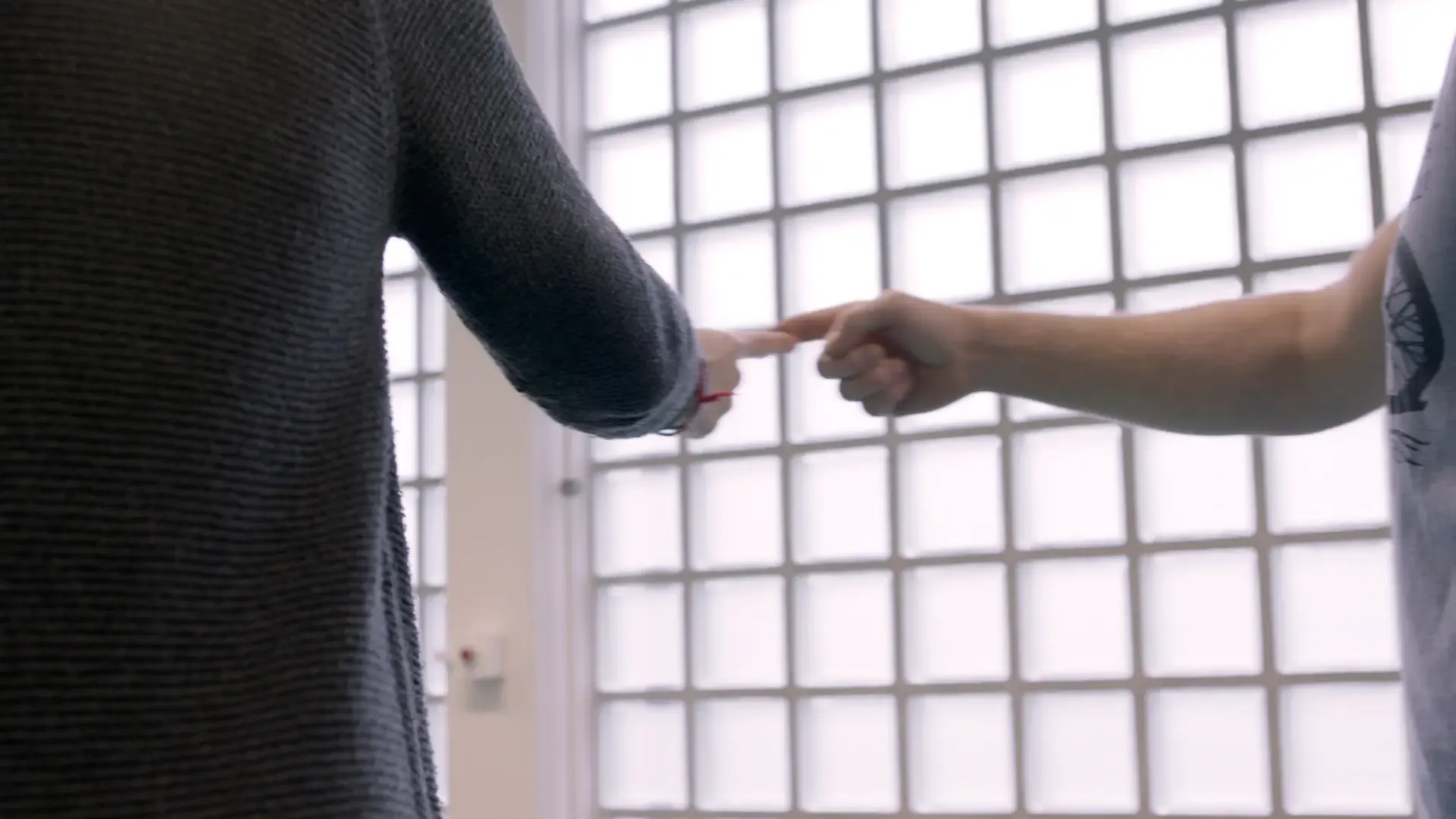
Instead of black bars and post-production blurs that scream "criminal," we chose to shoot with an ARRI Alexa and cinematic lenses. By using a shallow depth of field, we could obscure identities artfully, making staff and clients visually indistinguishable. For the first time, they looked alike. They looked human.
We built the story from the audio up, sculpting a narrative from dozens of interviews before creating a single visual. This ensured the film was built on an authentic human foundation. The result was a film that was not just different, but recognized as world-class, winning two Golden Dolphins at the Cannes Corporate & TV Awards for Best Medical Film and Best B2B Film.
5. The System After
A Decade Later, the Story Is Still Doing the Work.
This was not a campaign; it was the construction of a foundational asset. A story built on such a deep truth doesn't have an expiration date.
Ten years on, "Committed to Freedom" remains the central film on the institution's homepage. It endures because it is still the most powerful and accurate articulation of their mission, serving as the bedrock for everything from onboarding new staff to building trust with the local community. It solved the problem at the source.
Awards recognize the craft. But the true test of a story is its endurance.