Case Study

Monumental Crossroads

1. The System Before

It Wasn't a Debate.
It Was a Shouting Match.

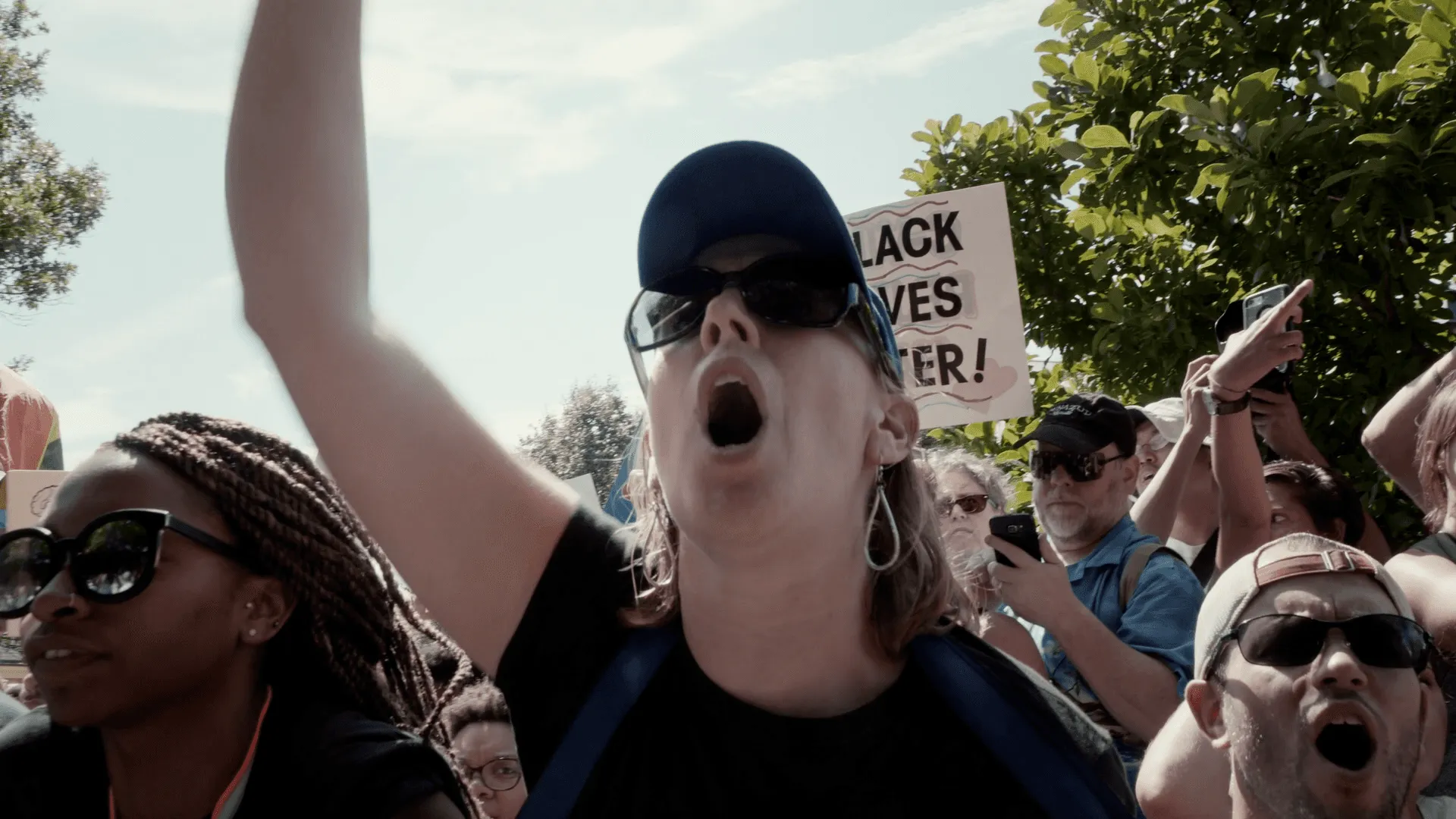
In 2017, the American conversation around Confederate monuments was a feedback loop of outrage. The system was perfectly designed to generate conflict, not clarity. Trapped in a false binary of "erase history" versus "honor heritage," the media focused on the spectacle of protest, leaving the deeper questions unasked. The most important of which was: "And then what?"
2. The False Belief

I Went to America to Find a Dutch Story. I Was Wrong.

My initial hypothesis was flawed. Sparked by a heated debate over a Blackface character in the Netherlands, I arrived in New Orleans assuming I was observing an exotic version of a familiar problem. I came to compare. It was an expensive belief that cost me my initial plan, but the truth it revealed was worth the price. By following my curiosity, I was forced to demolish my own assumptions.

3. The Ecstatic Truth

They Didn't Need an American.
They Needed an Outsider.

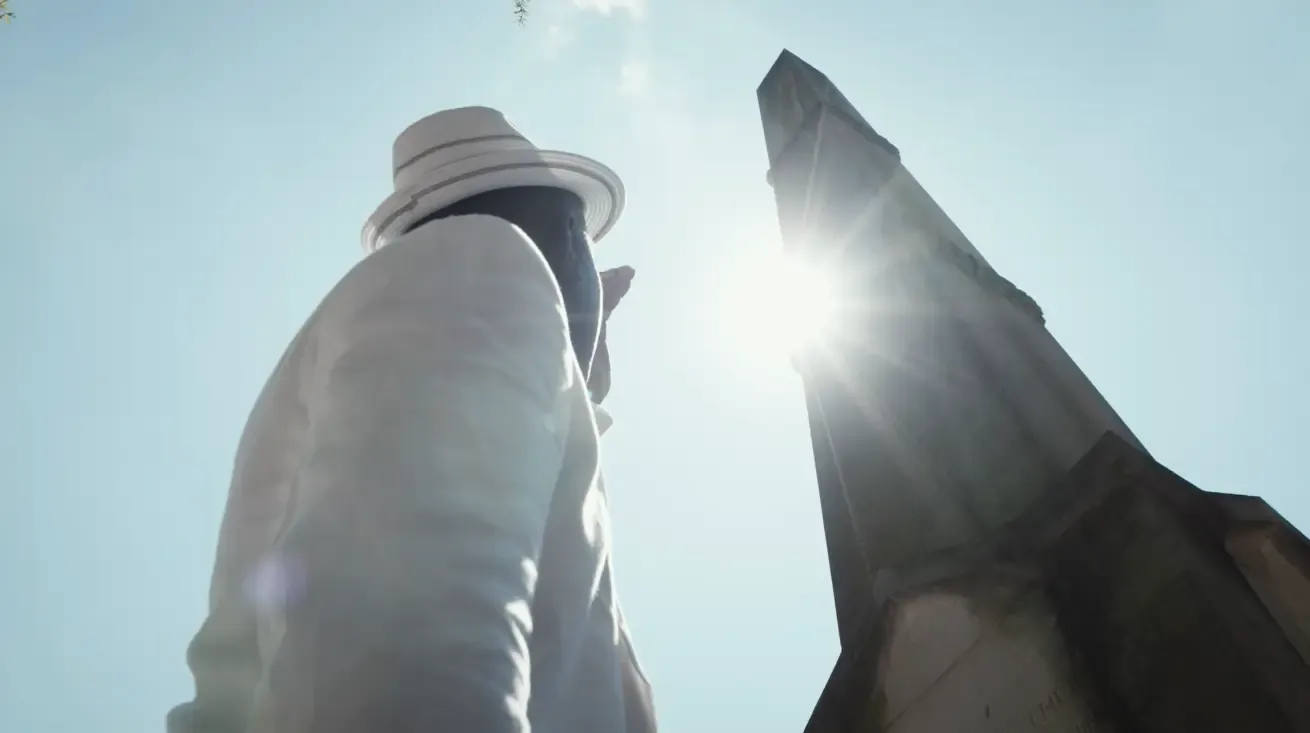
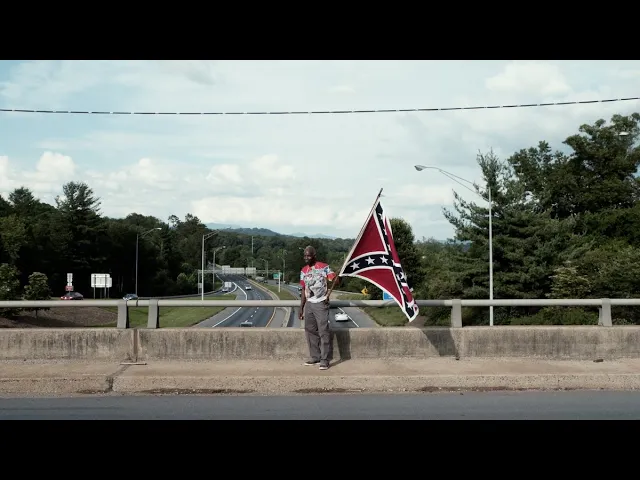
The story wasn't about statues. It was about the competing, deeply held myths of identity, memory, and trauma. I realized my unique position was not a liability, but my single greatest asset. I was, as Professor W. Fitzhugh Brundage of UNC-Chapel Hill would later write, "an outsider... generous to all of the subjects," able to see the whole system without being captured by it.

"Like Gunnar Myrdal ninety years ago, it takes a Dutch filmmaker to ask critical questions about Americans and racism." Doug Thompson, Professor of History and Southern Studies, Mercer University

4. The Intervention

The Plan Was Abandoned.
The Mission Was Not.

The original, manageable project was scrapped. The story was bigger, more chaotic, and more important than I'd planned.

So I followed my nose.

This led to a self-funded, 6,000-mile journey across ten states, chasing the narrative to its inevitable flashpoint in Charlottesville. It was a total commitment not to a script, but to finding the real story—no matter where it led.

5. The System After

It Didn't Just Document the Conversation. It Became a Tool to Change It.

Initially rejected by European TV as "too American," the film found its true audience when the global conversation caught up. What began as a setback revealed the project's true purpose.

The film became required viewing at hundreds of universities, transforming from a documentary into a curriculum for a new generation. The work didn't stop in the edit suite; it led to invitations to speak as a paid expert at dozens of universities.

The film was no longer just a story; it was a tool for understanding. But the final verdict on its impact belongs to the experts who now use it to teach.

"Monumental Crossroads is an intensely interesting, haunting journey, and should be required viewing for every person trying to understand racism in America.” Keri Leigh Merritt, Historian

Case Study

Monumental Crossroads